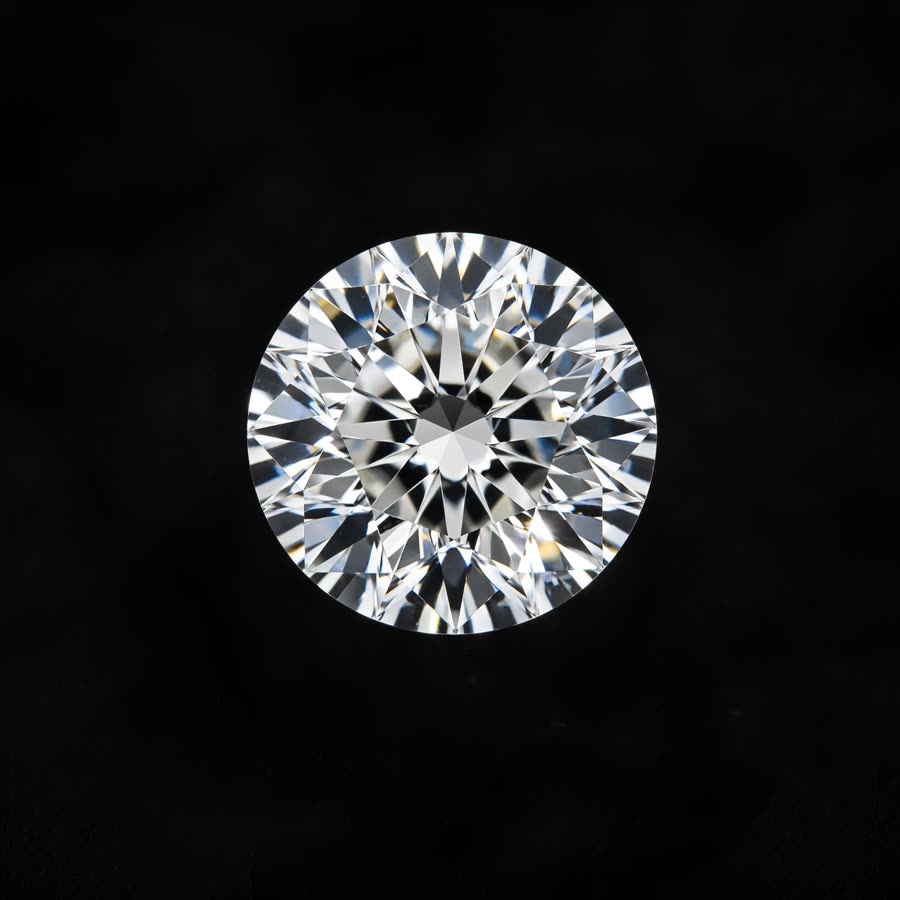
Lab-grown
Graded on the same GIA scale as a natural stone. Often chosen when size and budget need to agree.
Home / Education
We only pre arrange diamonds graded by GIA. GIA is the most reliable and well-respected diamond entity known for their accuracy and professionalism. In addition to being graded by GIA, Sunny Kanda himself has attended GIA and has earned a Graduate Diamonds degree. Therefore, due to educational background, he will be able to provide you his knowledge and expectations and will be providing you best of the best when it comes to searching for that perfect diamond.
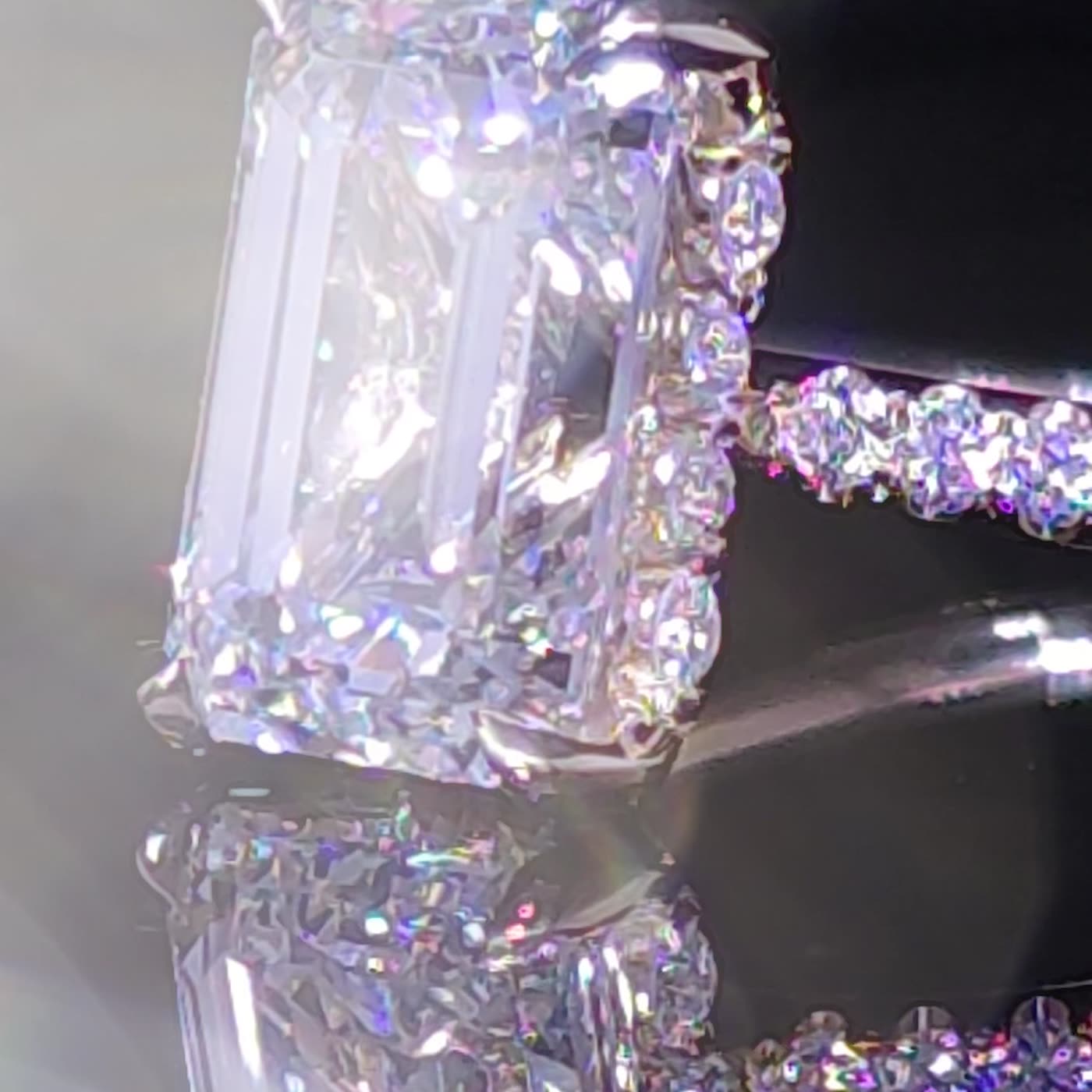
Shape is not one of the 4Cs. It is the first thing you choose. Tap one.
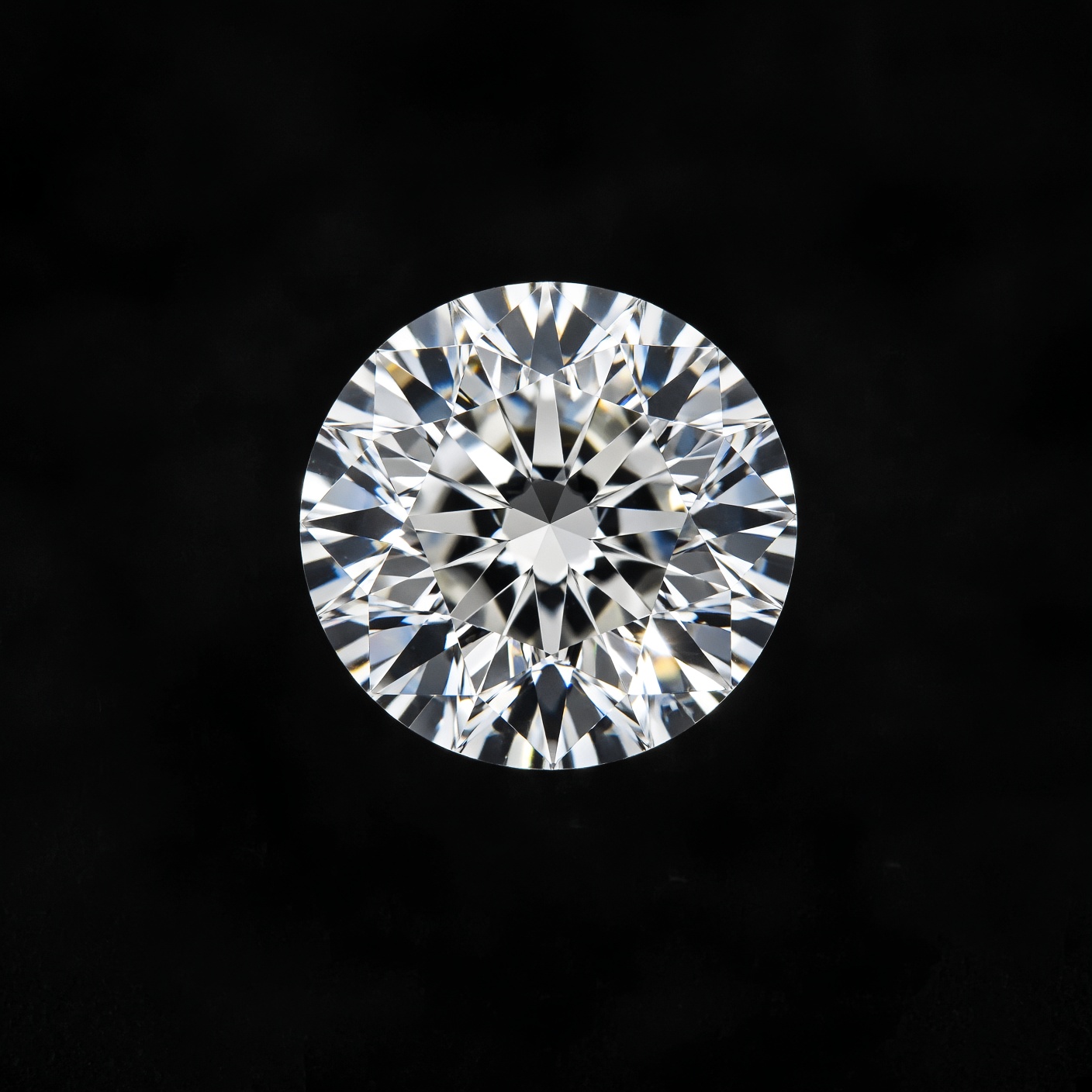
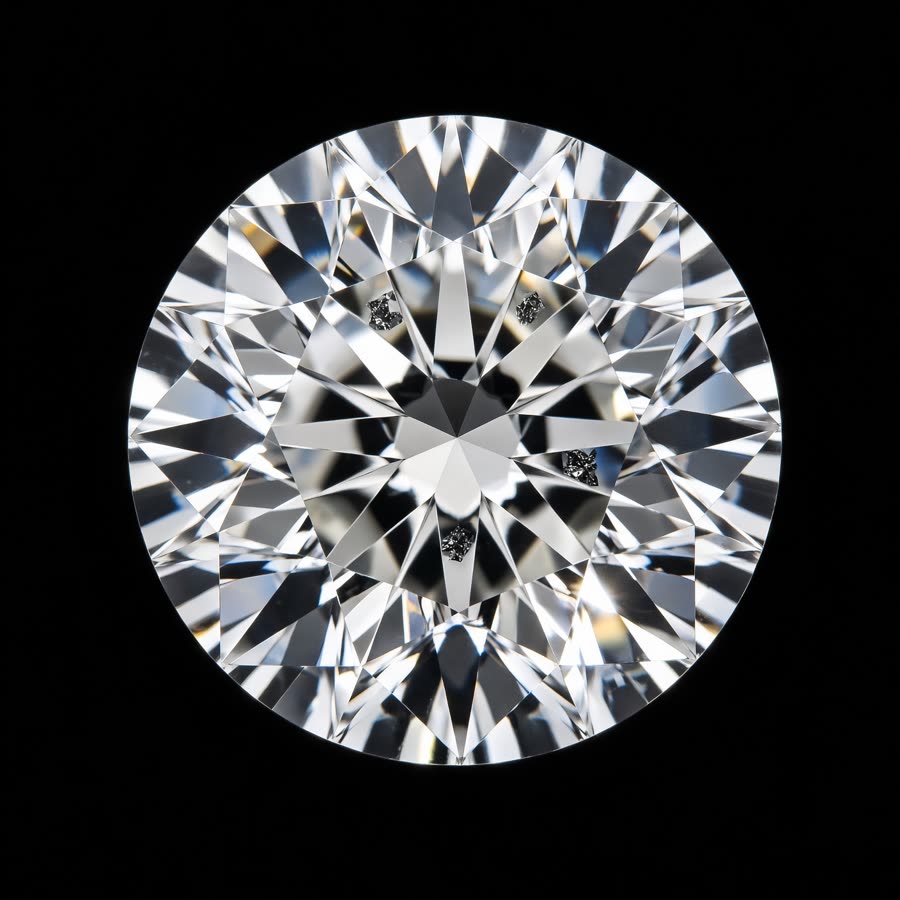
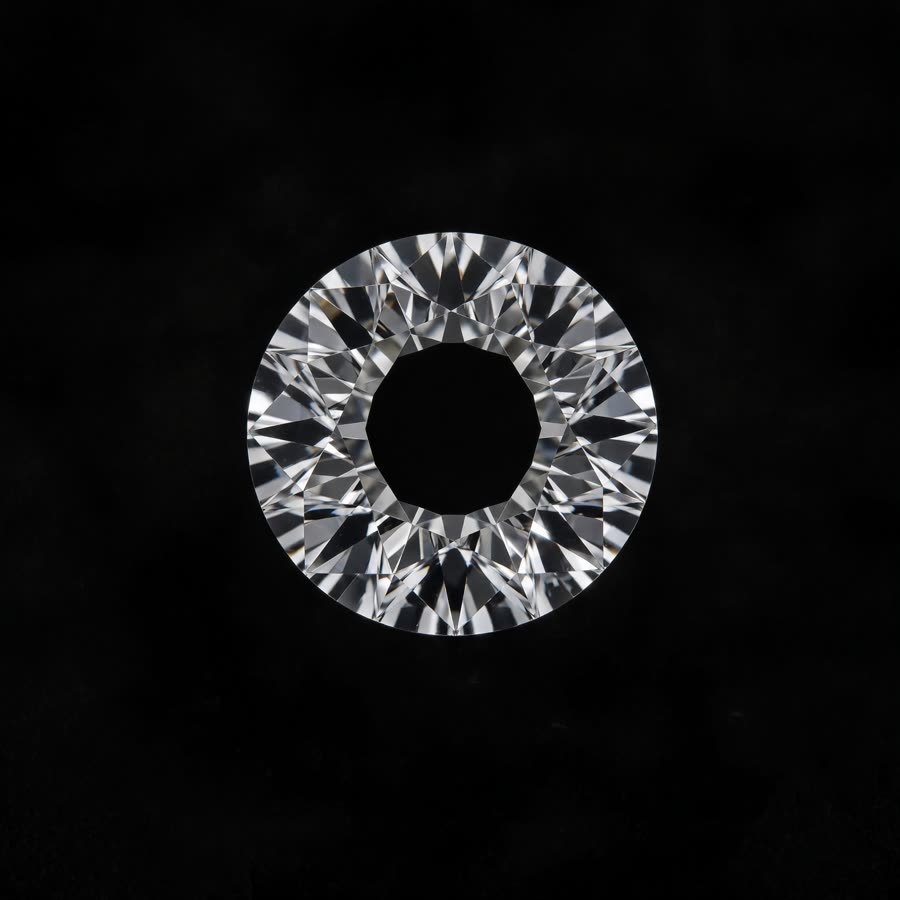
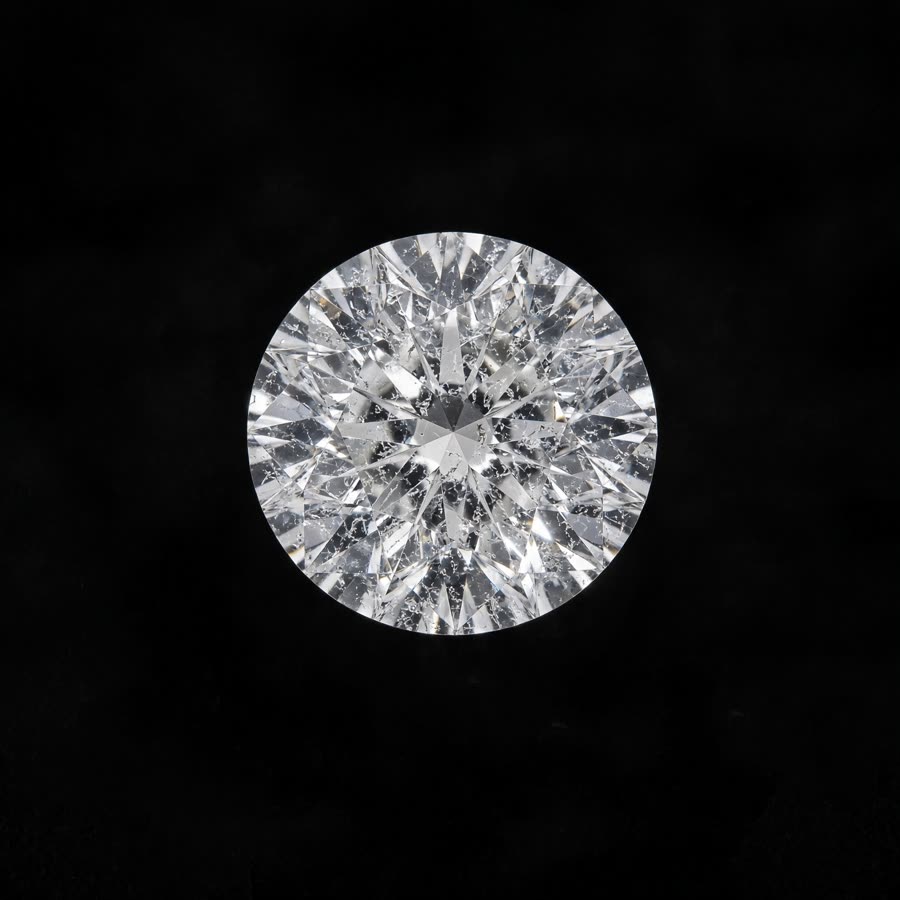
Clarity measures tiny natural inclusions and blemishes, graded under 10× magnification across 11 grades.
VS1
Minor inclusions, invisible to the naked eye — a sweet spot for value.
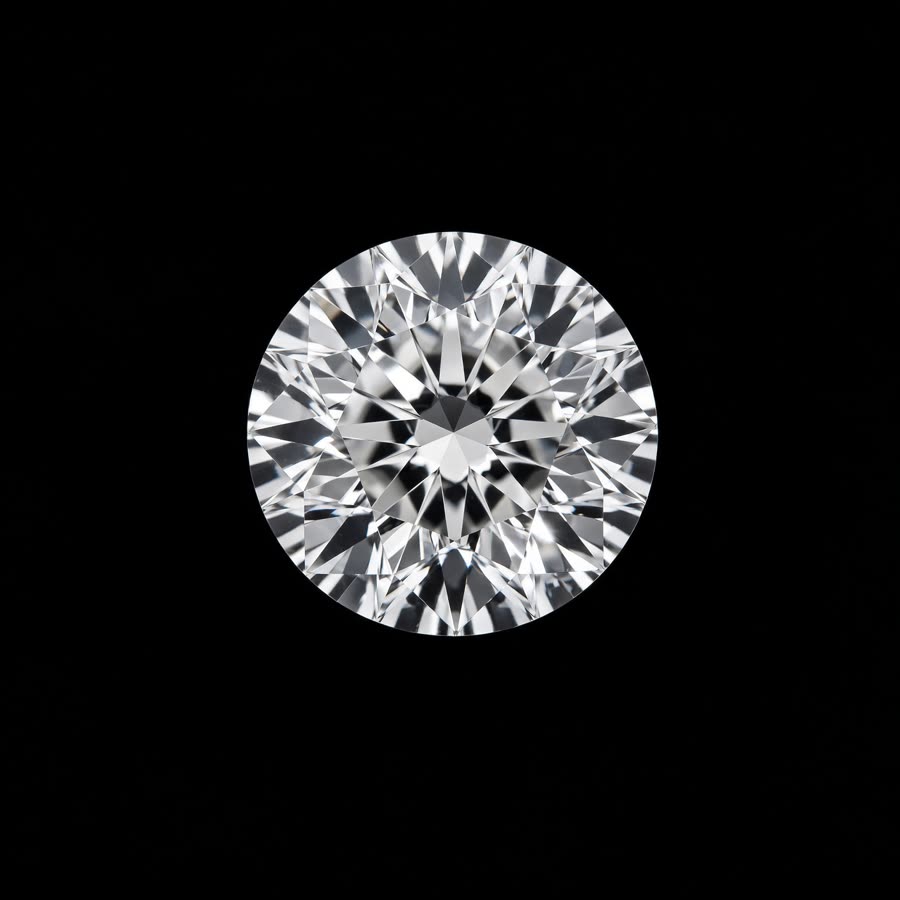
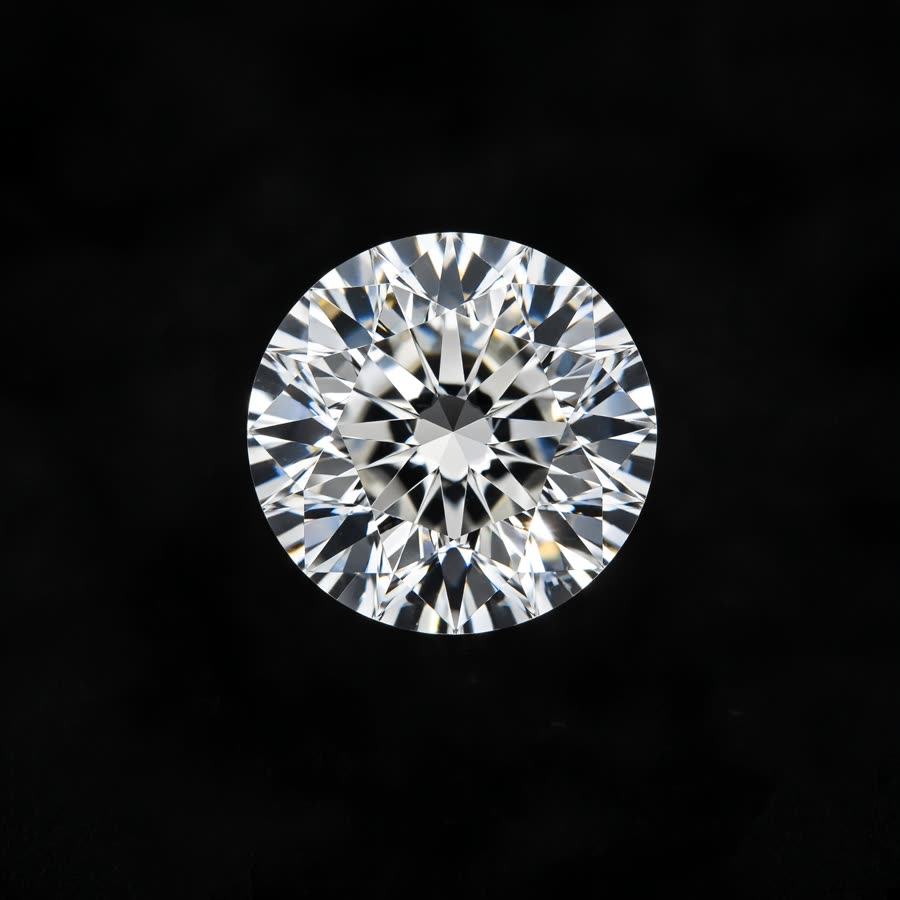
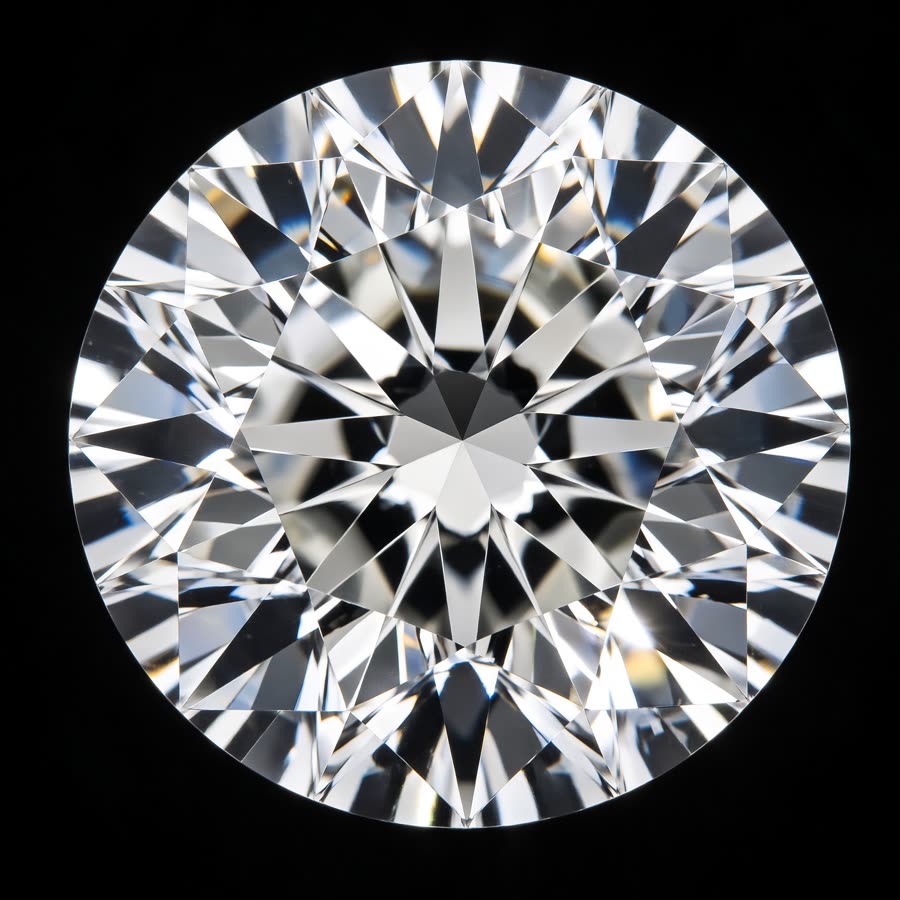
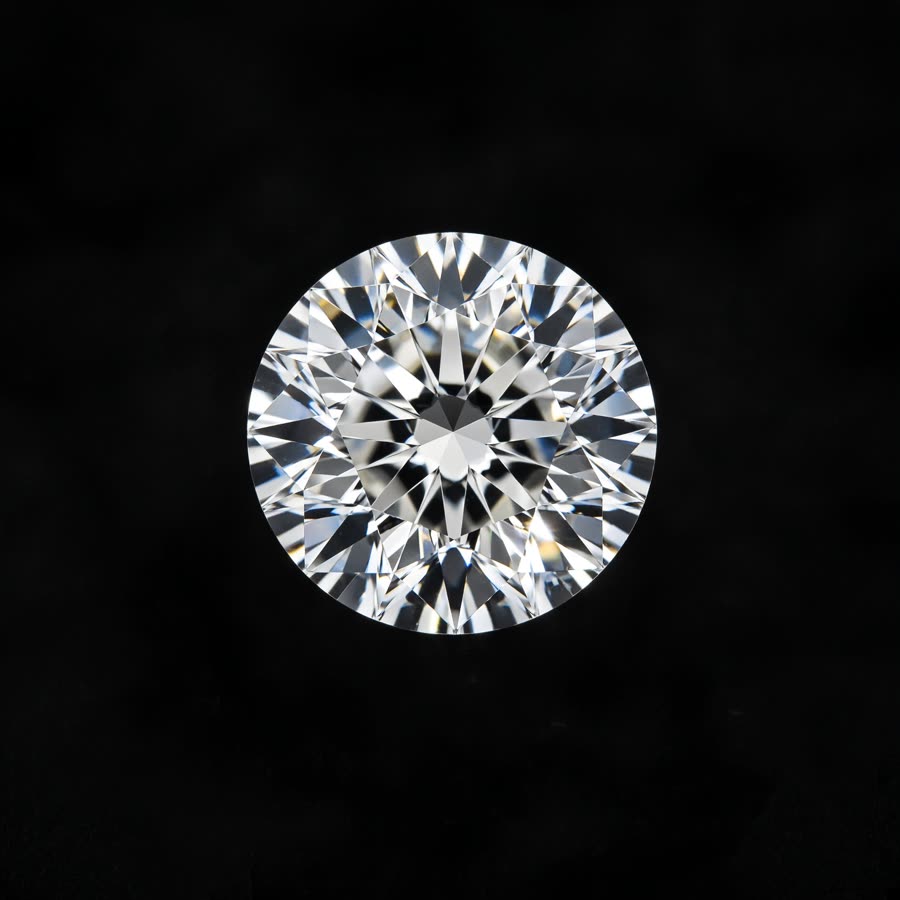
Cut is not the shape. It is how well the stone is proportioned to return light.
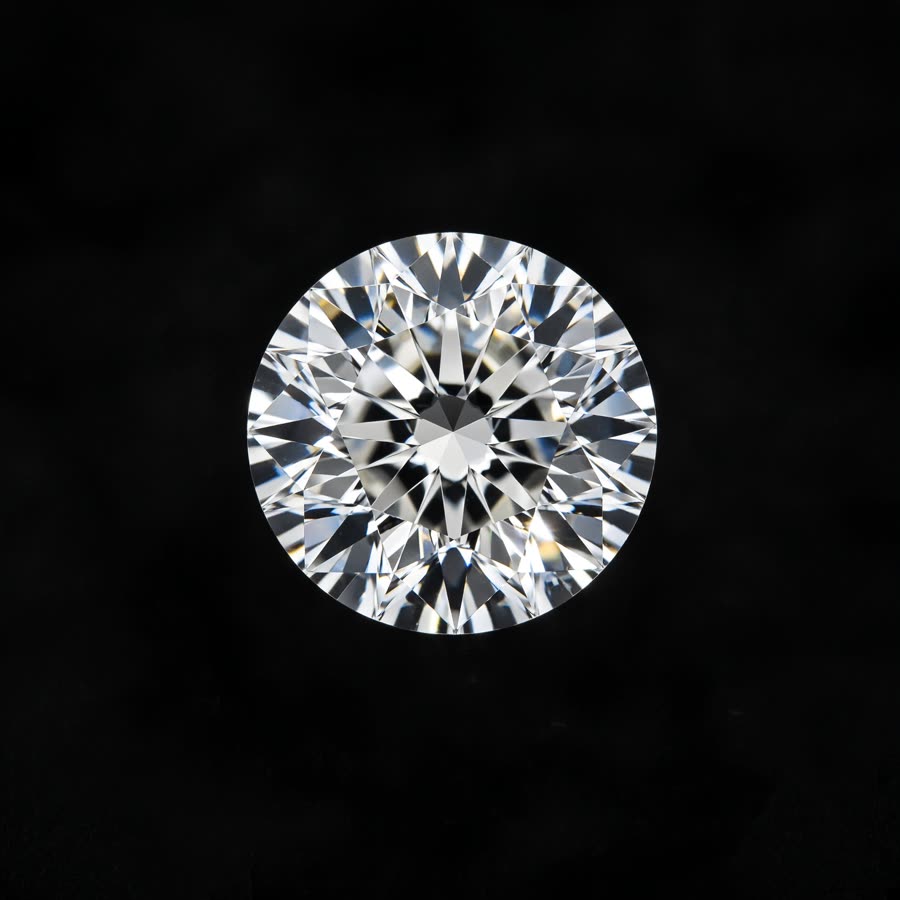
Excellent
Top of the scale. Proportions, symmetry and polish that return the most light. Cut is how the stone handles light — not its shape.
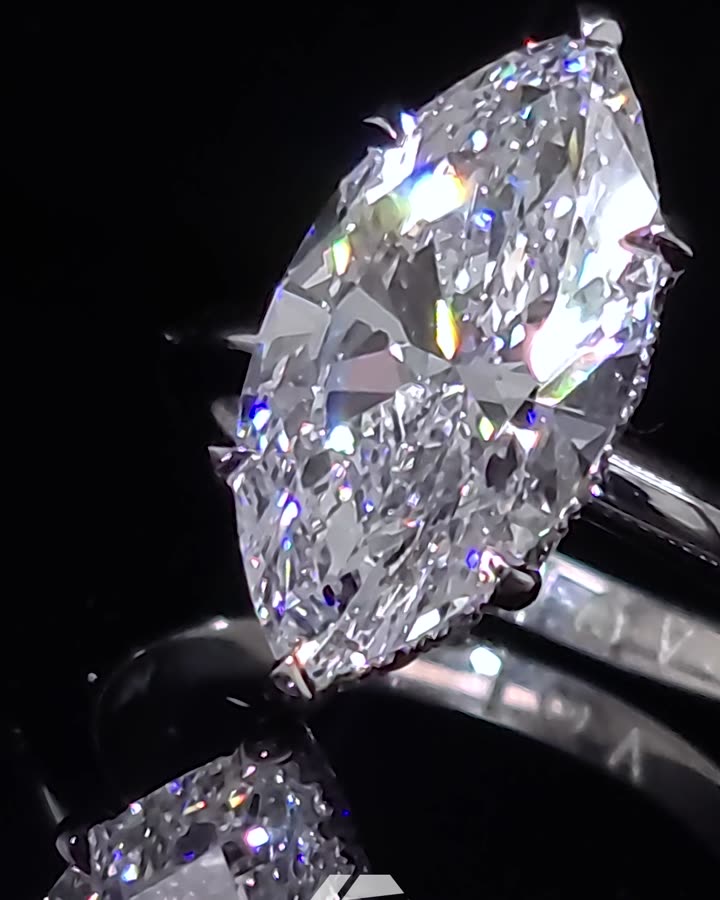
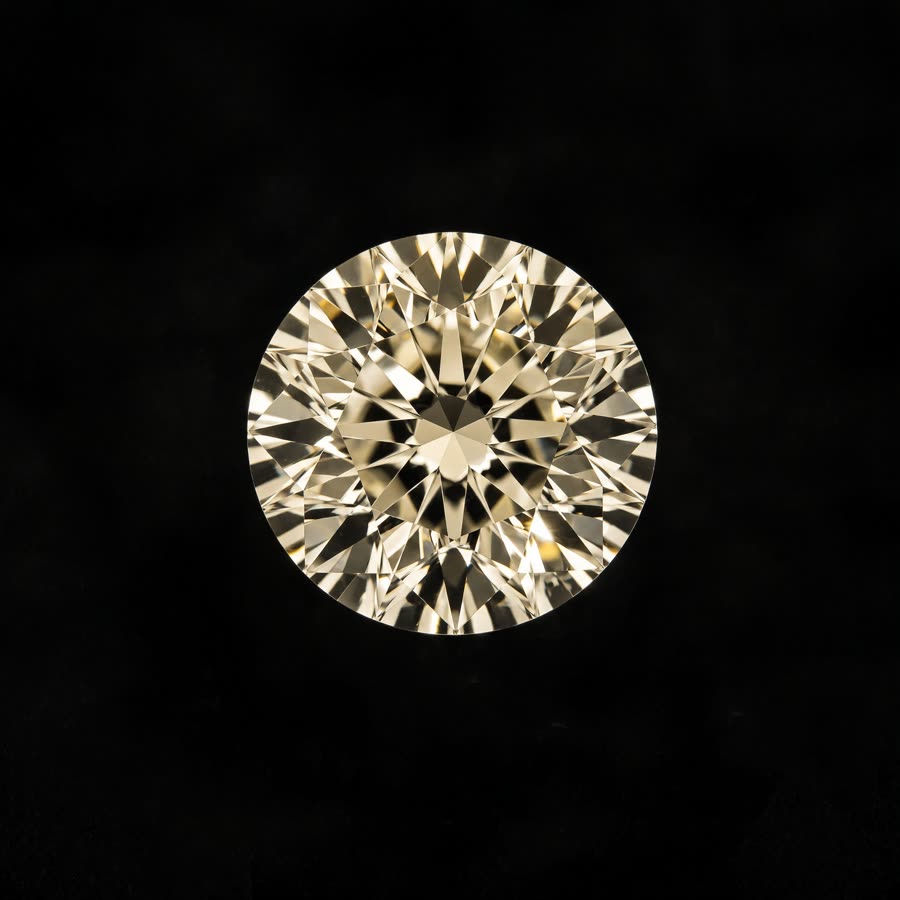
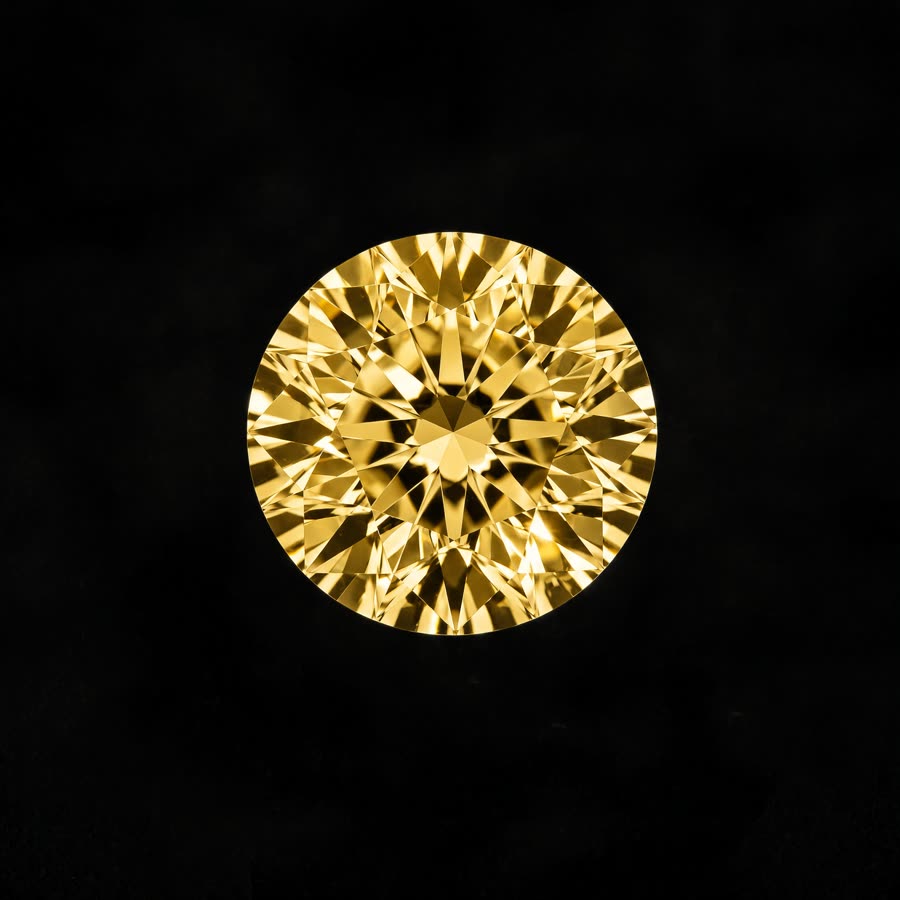
Colour is graded D to Z — from no hue to light yellow or brown.
D
Colourless. The top of the colour scale. No detectable hue.
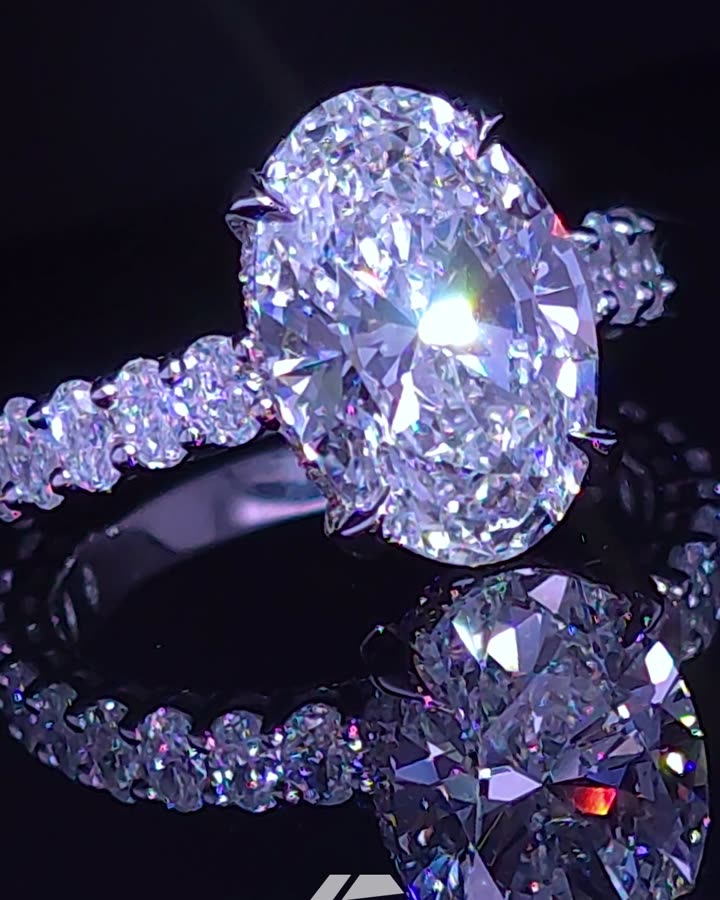
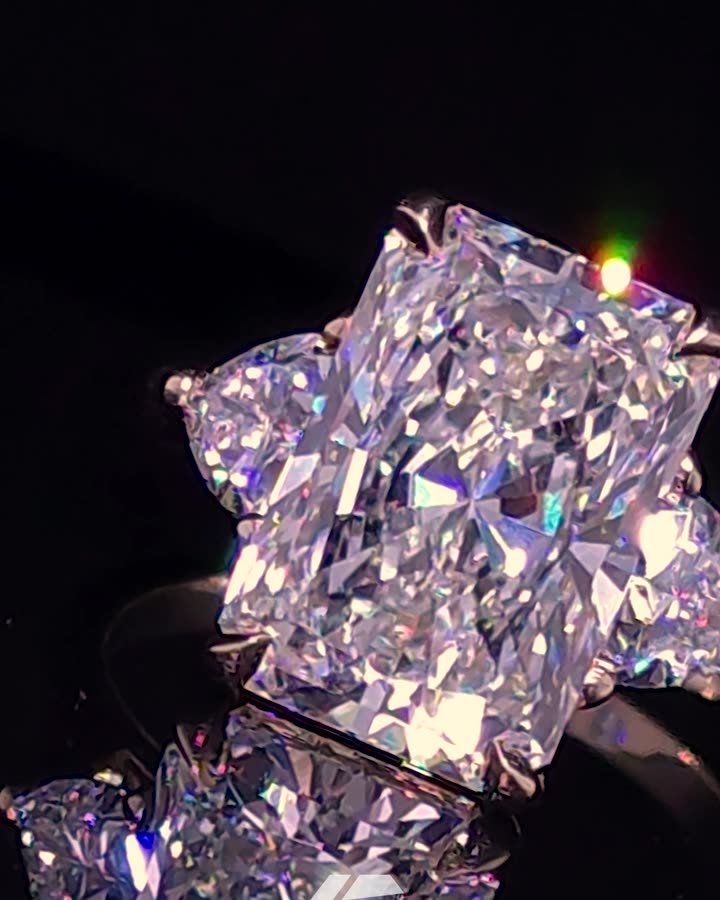
Clarity measures tiny natural inclusions and blemishes, graded under 10× magnification across 11 grades.
VS1
Very slightly included. Minor inclusions, invisible to the naked eye — a sweet spot for value.
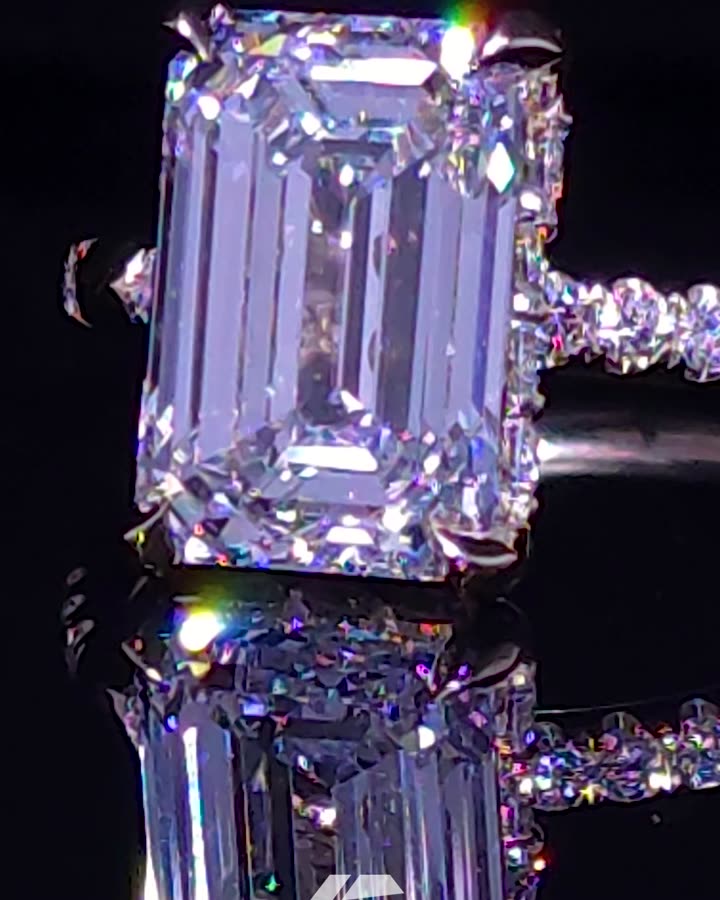
Carat is weight, not width. One carat is 200 milligrams.
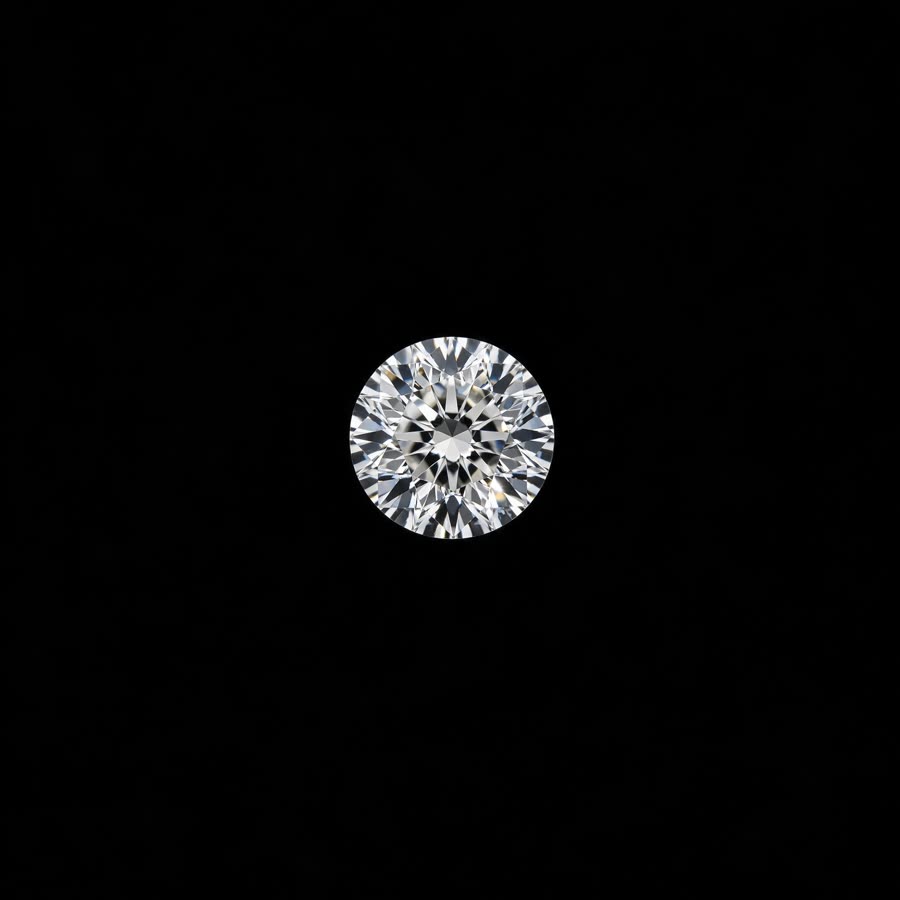
0.50
Half a carat. One carat is 200 milligrams, so this is 100 mg. A well-cut round is about 5.1 mm across.
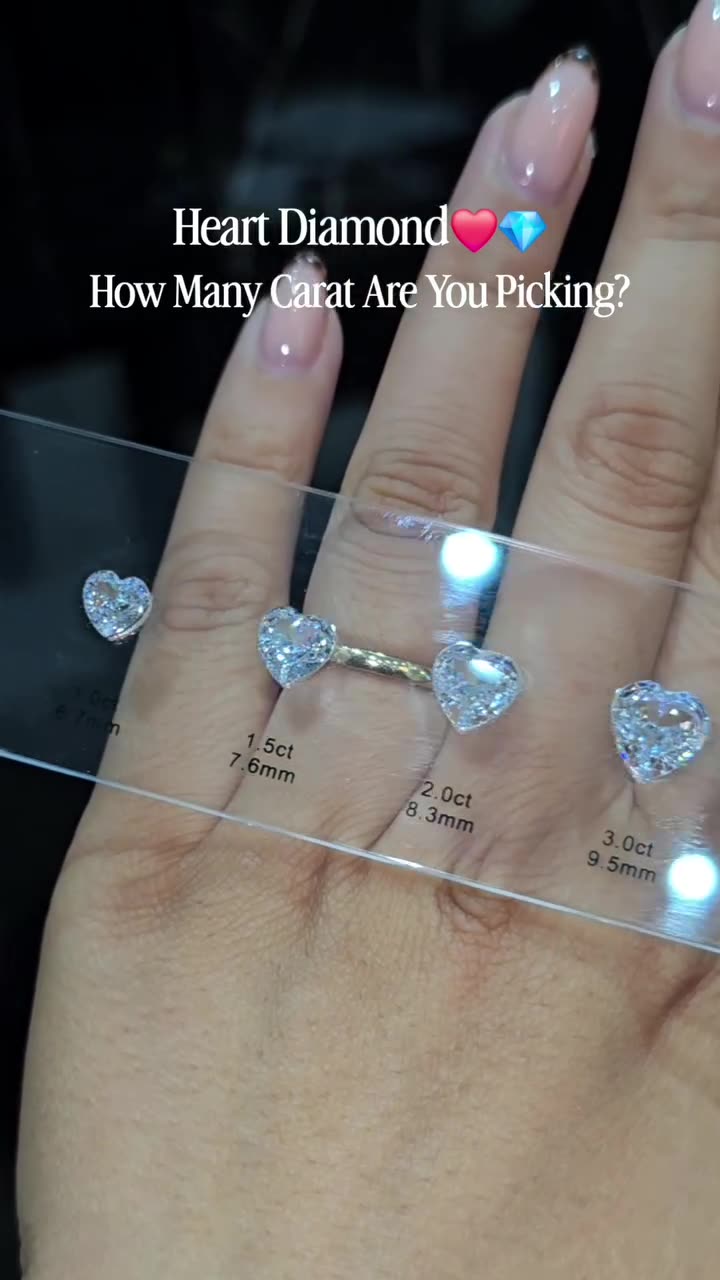
Lab-grown
Graded on the same GIA scale as a natural stone. Often chosen when size and budget need to agree.
Natural
Also GIA-graded here. Both have their own appeal — the first meeting is where you learn the difference and decide.